
Fair prices. Fast approvals. Your health always comes first. Get Qualified for a Michigan Medical Marijuana Card Today.
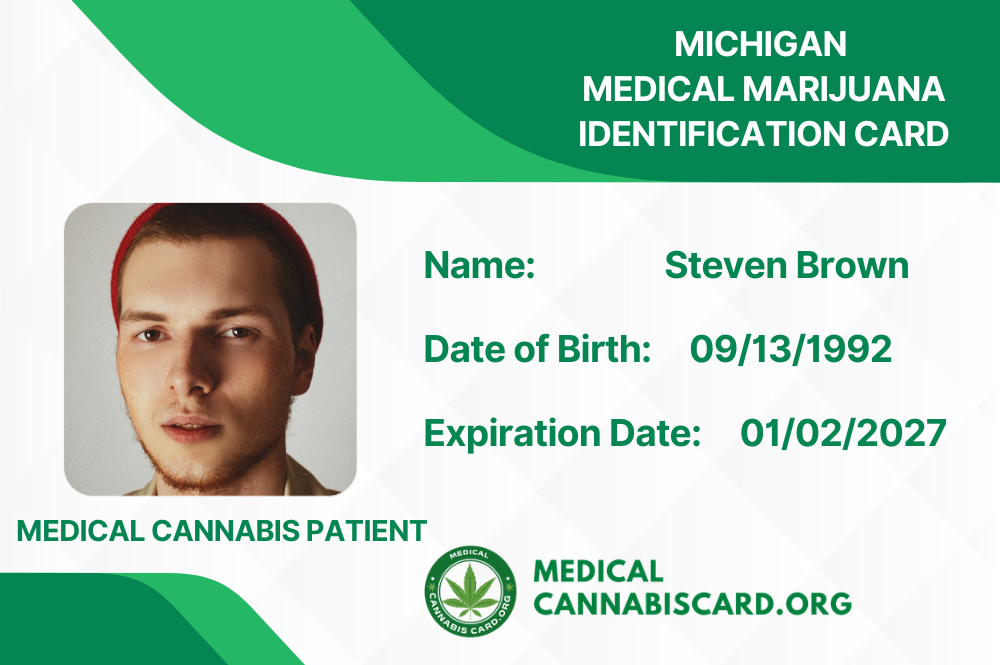
Living in Michigan means adapting to change. From the freezing “lake effect” snow in Muskegon to the humid summer days on the Detroit Riverwalk, our bodies take a lot of stress. Whether you are living in a historic Victorian home in Kalamazoo or a new build in Grand Rapids, health is your most important asset. If you are managing a long-term illness, you need to know the qualifying conditions for Medical Card in Michigan 2026 to ensure you have legal access to the relief you deserve. Michigan’s medical marijuana program remains one of the strongest in the country, providing patients with tax savings and higher potency options that recreational users simply cannot access.
In this guide, we will break down exactly which health issues allow you to get a card this year. We will also look at how the process works for residents from the Upper Peninsula down to the Ohio border.
Even though Michigan has a recreational market, the medical program is thriving. Why? Because being a “patient” is different from being a “consumer.” When you meet the qualifying conditions for Medical Card in Michigan 2026, you are recognized by the state as someone using cannabis for wellness.
This status gives you several perks. You save 10% on excise taxes at every visit. You can purchase more medicine at once. Most importantly, you are protected if you need to travel across the state with your medicine. For a retiree living in a quiet ranch-style home in Sterling Heights, these savings and protections provide peace of mind that a recreational purchase does not.
The Michigan Cannabis Regulatory Agency (CRA) maintains a specific list of conditions. If you have been diagnosed with any of the following, you likely qualify for a medical card.
Most Michigan patients qualify under a broader category of symptoms caused by a chronic illness. If your condition causes any of these three things, you meet the qualifying conditions for Medical Card in Michigan 2026:
Michigan recognizes that wellness involves the mind as well as the body.
Consider the story of “Mark,” a 55-year-old resident of Traverse City. Mark spent decades working in construction, building the beautiful lakefront homes that line Grand Traverse Bay. Years of lifting heavy materials and working in the cold took a toll on his lower back.
By 2025, Mark’s chronic pain made it hard to walk his dog at Sleeping Bear Dunes. He didn’t want to use heavy prescription painkillers. After researching the qualifying conditions for Medical Card in Michigan 2026, he realized his “Severe and Chronic Pain” made him a perfect candidate.
Mark used our online platform to speak with a doctor. Within 15 minutes, he was certified. Today, Mark uses high-CBD topicals and tinctures to stay active. He saves hundreds of dollars a year in taxes, which he now spends on his grandkids.
Many people worry they don’t have enough “proof.” In Michigan, the process is built on the doctor-patient relationship. You do not always need a mountain of paperwork from 10 years ago.
When you book your online appointment, you will chat with a licensed physician. You should be ready to:
Our doctors are compassionate. They understand that chronic pain is real, even if it doesn’t show up on every X-ray.
Whether you are in a high-rise in downtown Flint or a farmhouse in the Thumb, your environment impacts your health. Michigan’s rapid weather changes—from 70 degrees one day to 30 degrees the next—are notorious for triggering migraines and joint inflammation.
If you live in a city like Ann Arbor, you have access to some of the best medical research in the world. However, getting an appointment at a large hospital can take months. By using an online service to verify your qualifying condition, you skip the wait times at the big clinics.
You can get your certification today and visit a local dispensary in Ypsilanti or Adrian tomorrow.
Once you know you have one of the qualifying conditions for Medical Card in Michigan 2026, follow these steps:
The list of conditions is stable for now, but the benefits of the medical program are too good to ignore. If you are struggling with pain while trying to maintain your home in Royal Oak or working long shifts in Dearborn, you deserve relief. The medical card ensures you get clean, lab-tested products that are specifically formulated for patients, not just recreational “fun.”
While general anxiety is not listed, PTSD and OCD are. Many patients with severe anxiety find they qualify under the “Chronic Pain” or “PTSD” categories if their symptoms meet the state’s criteria.
The state allows people to petition for new conditions. However, most patients find their symptoms (like pain or nausea) fall under the existing categories.
You pay for the doctor’s evaluation and a $40 fee to the State of Michigan. This investment usually pays for itself in tax savings within just a few months.
Michigan has “reciprocity” with some states, meaning they may honor your Michigan card. This is great for Michigan “snowbirds” who head to warmer states for the winter.
If you believe you meet the qualifying conditions for Medical Card in Michigan 2026, do not wait to find relief. Start your journey toward a pain-free life today by connecting with a professional who understands your needs.